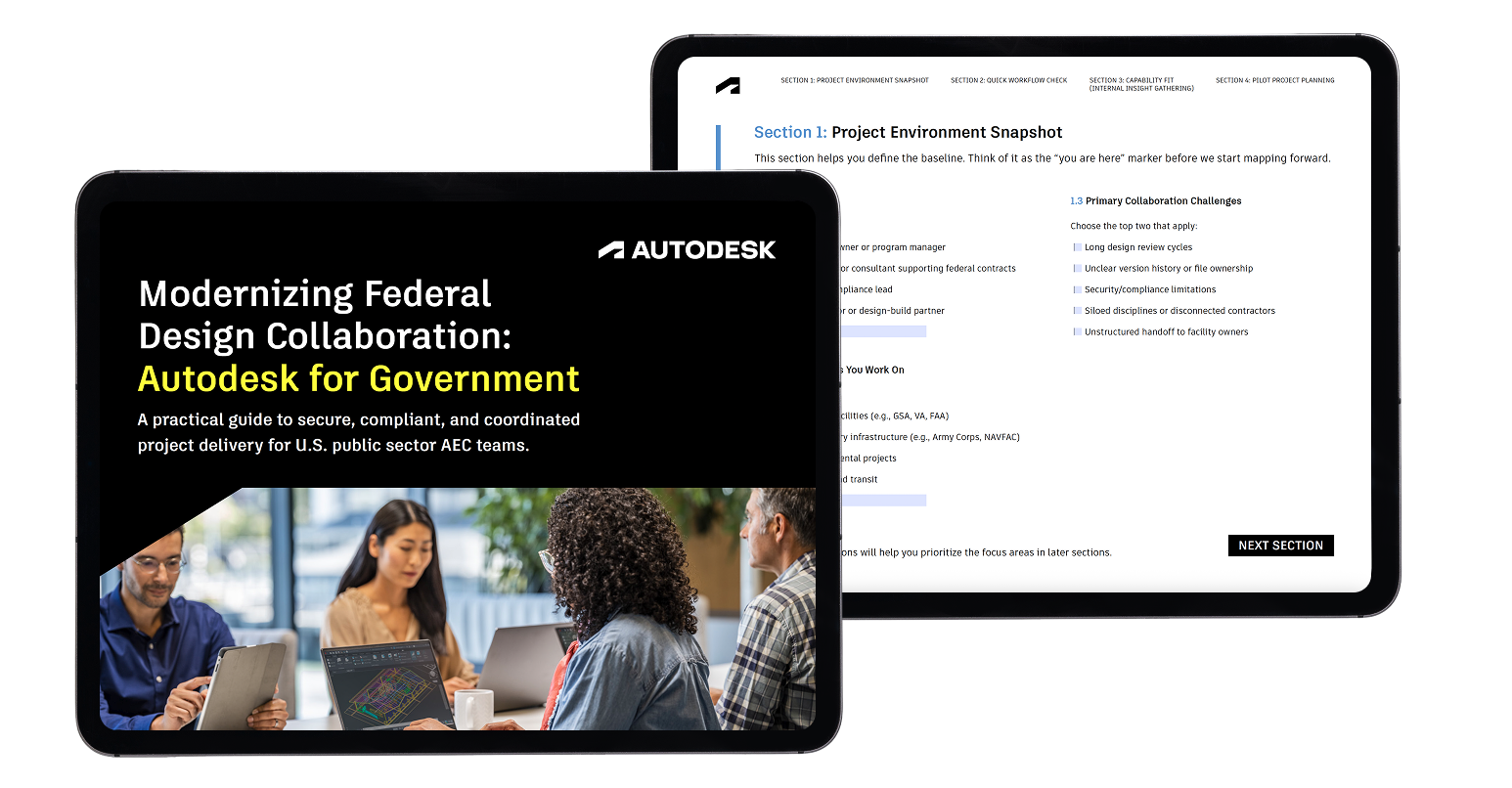
The Channel Kit is a paired eBook + interactive workbook built for channel and ecosystem GTM. The eBook earns attention with a sharp point of view, then the workbook turns that attention into real next steps you can use for follow-up, workshops, events, and pipeline.
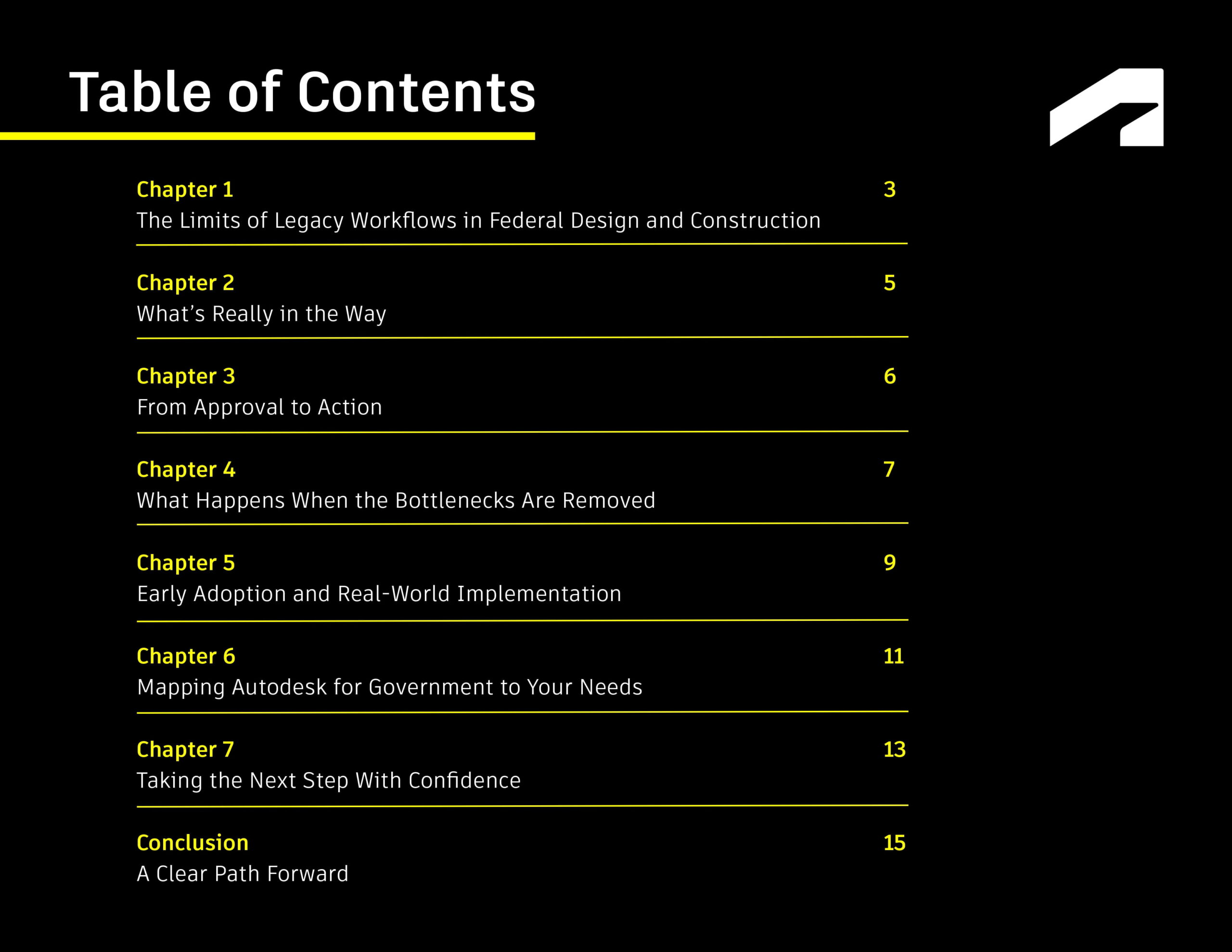
The hero cover that frames the topic and audience immediately.
Purpose: Establishes credibility fast and makes the asset feel “official” and executive-ready.
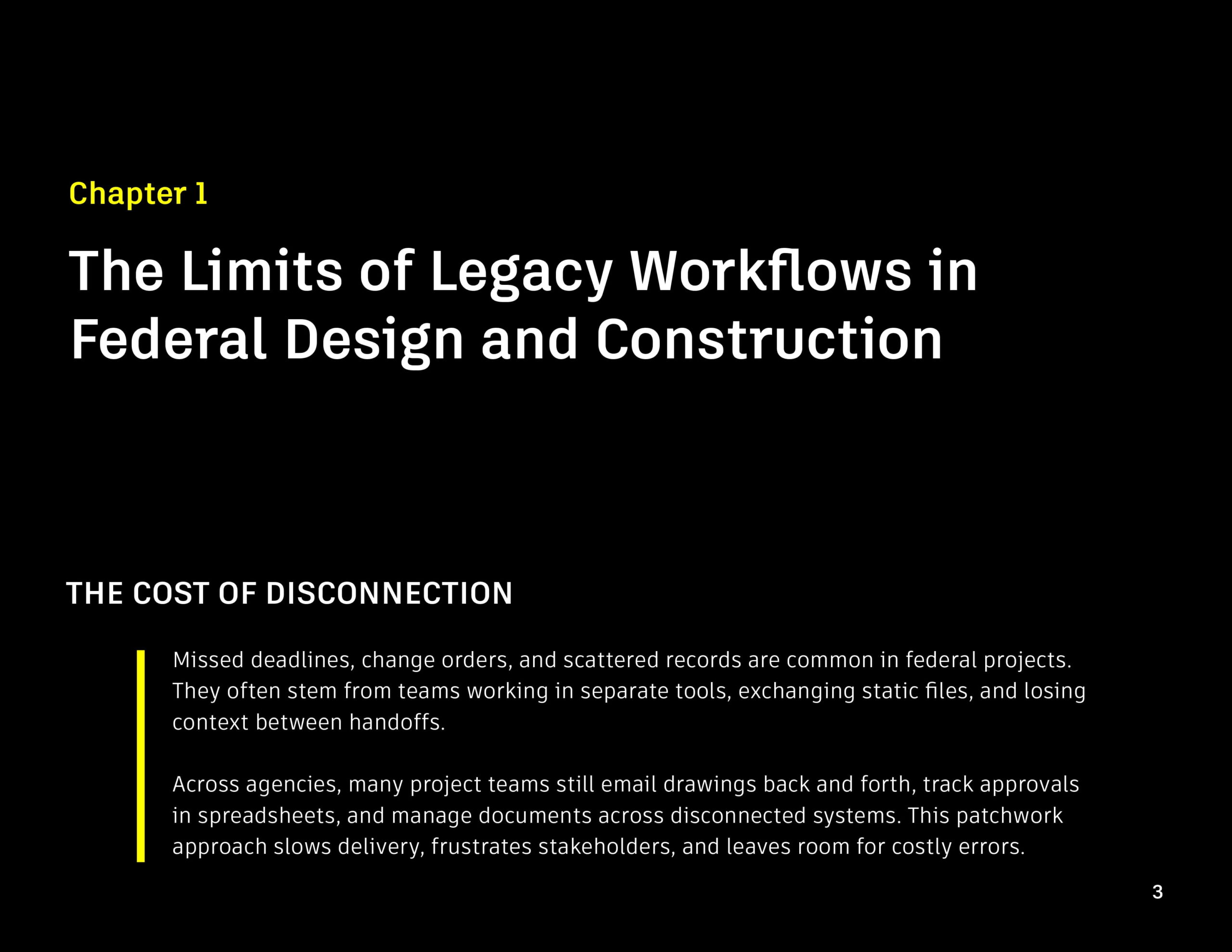
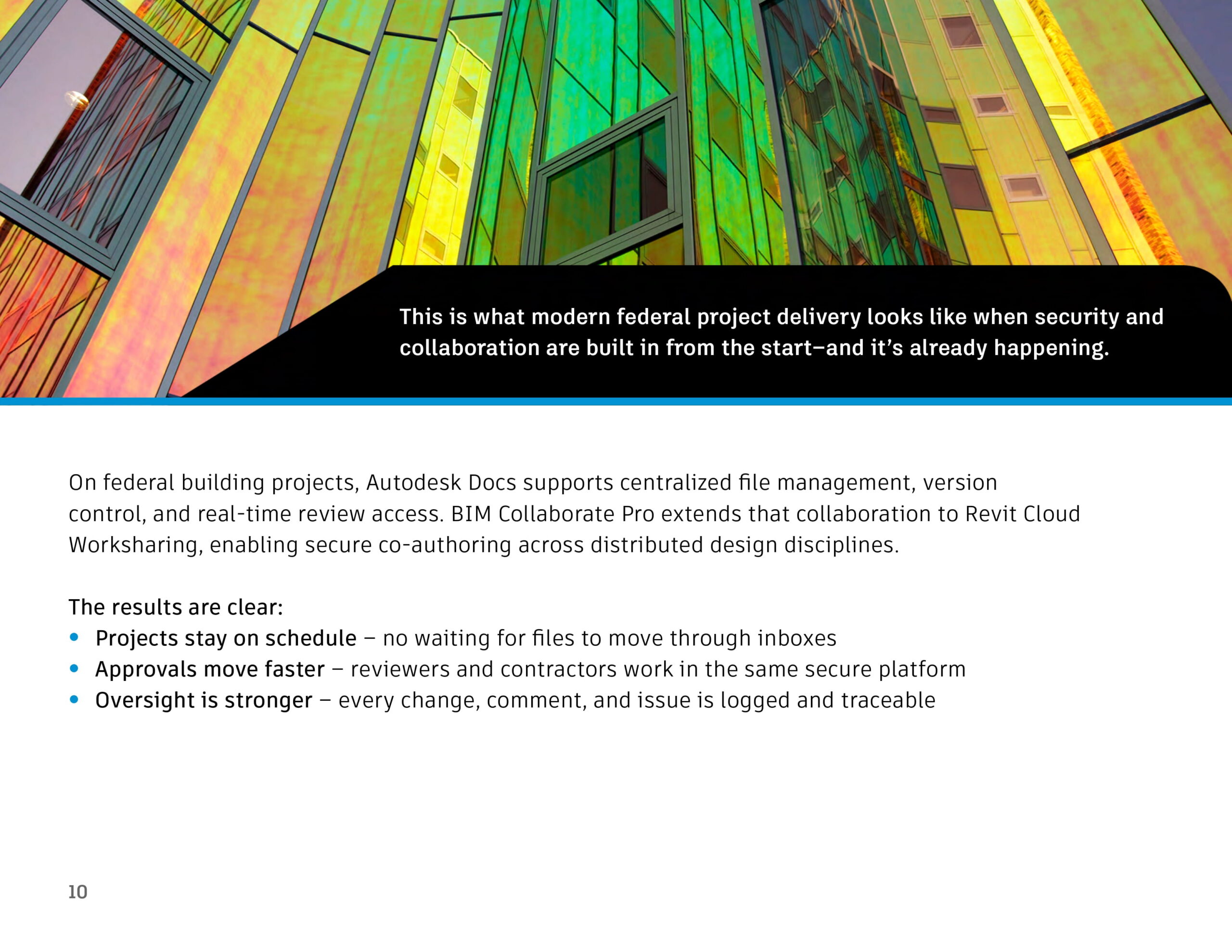
“The cost of disconnection” page that names the operational pain in plain language.
Purpose: Creates instant buyer recognition and gives sales an easy, non-technical problem statement.
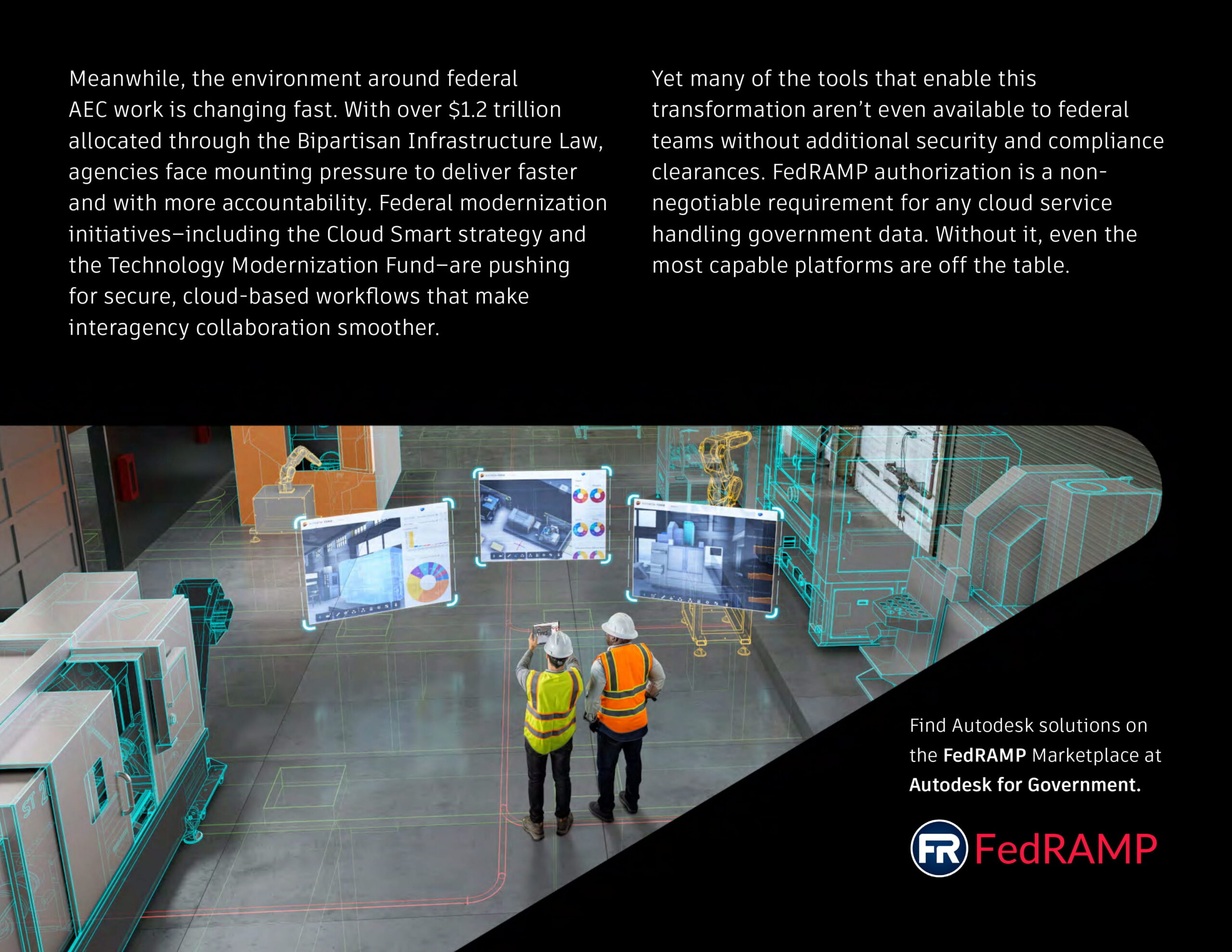
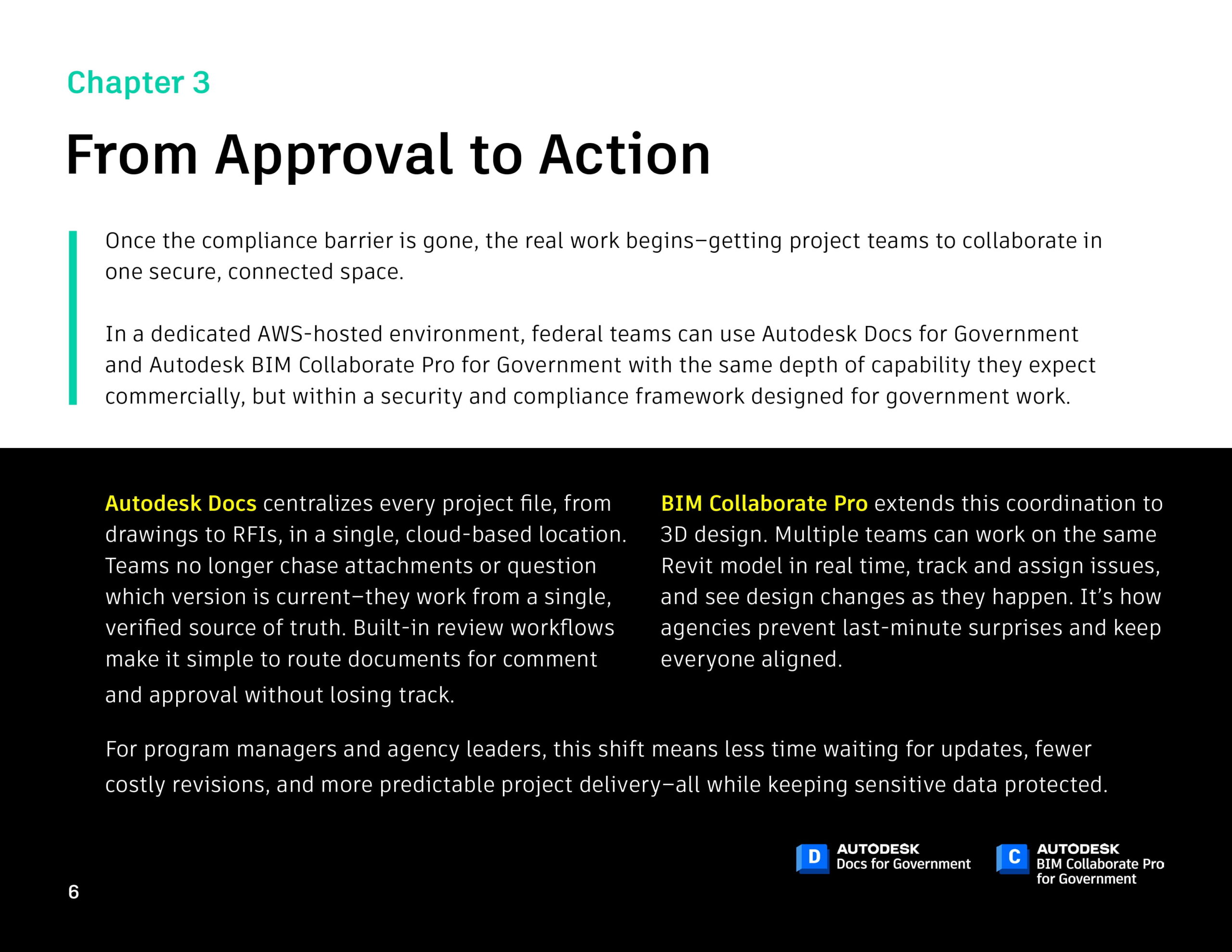
Moves the story from compliance to execution, showing what teams can do once the approval barrier is cleared.
Purpose: Connects the solution to day-to-day operational wins leaders care about: fewer delays, fewer surprises, and tighter coordination.
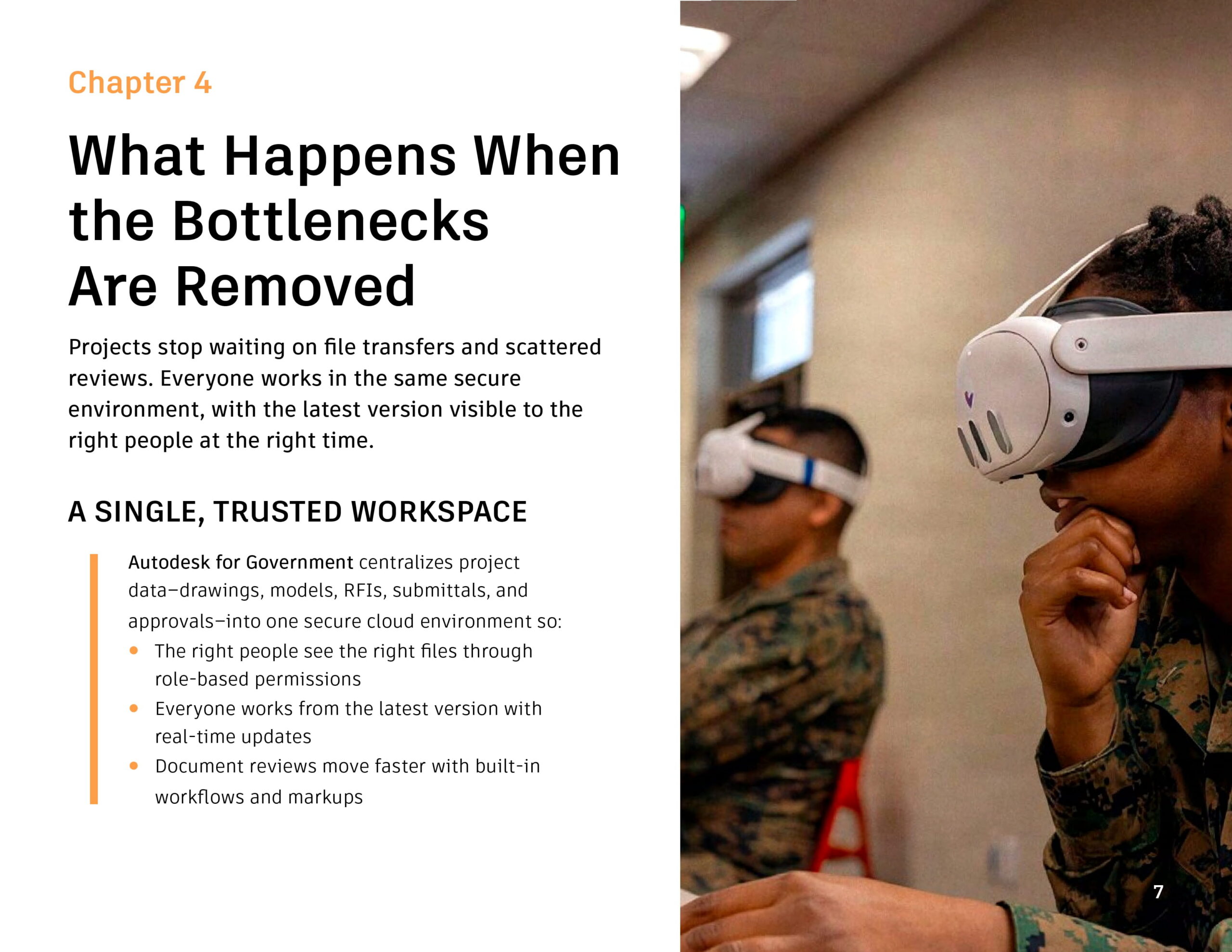
A clear “what changes when friction is removed” outcomes page (faster reviews, fewer handoffs, less rework).
Purpose: Translates features into operational outcomes people can repeat internally and rally around.
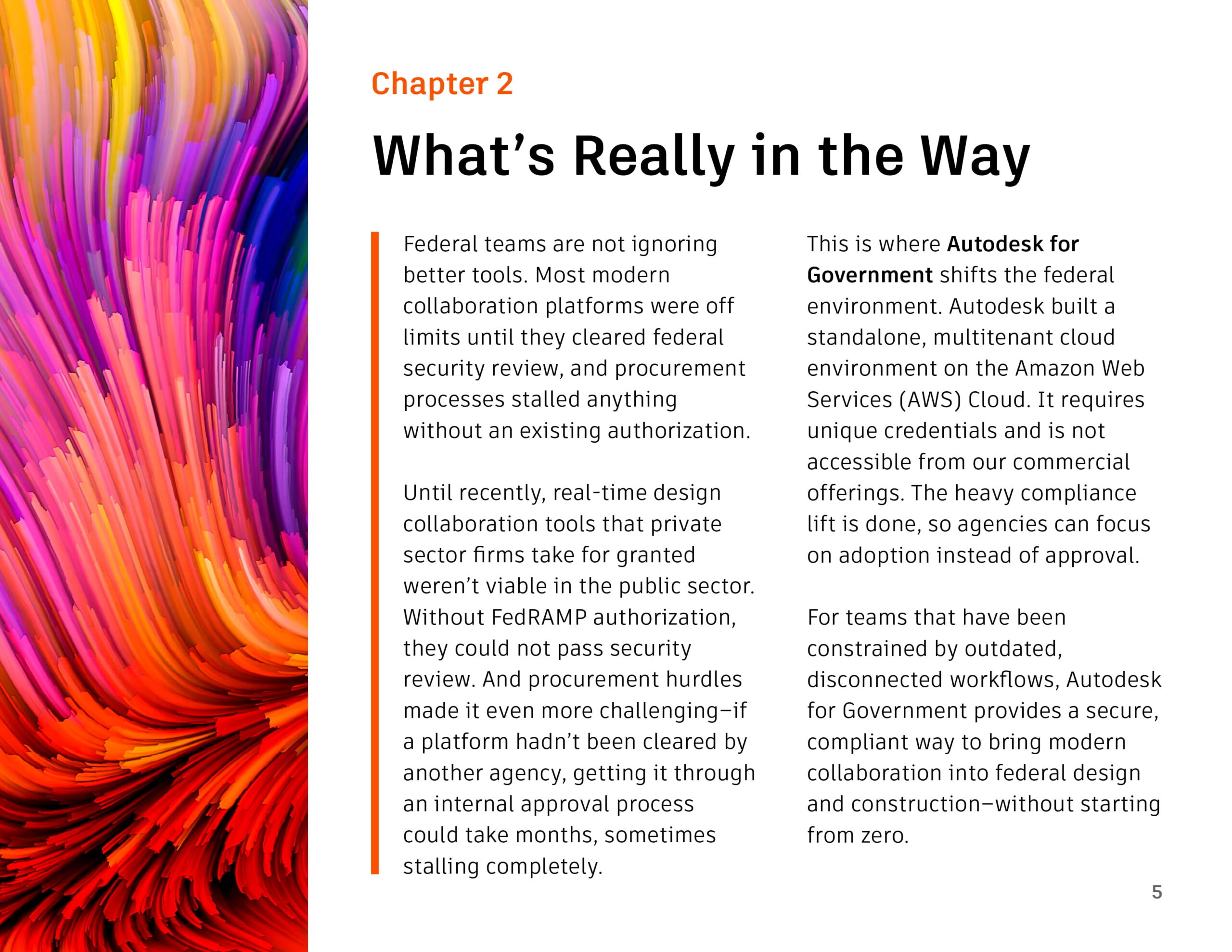
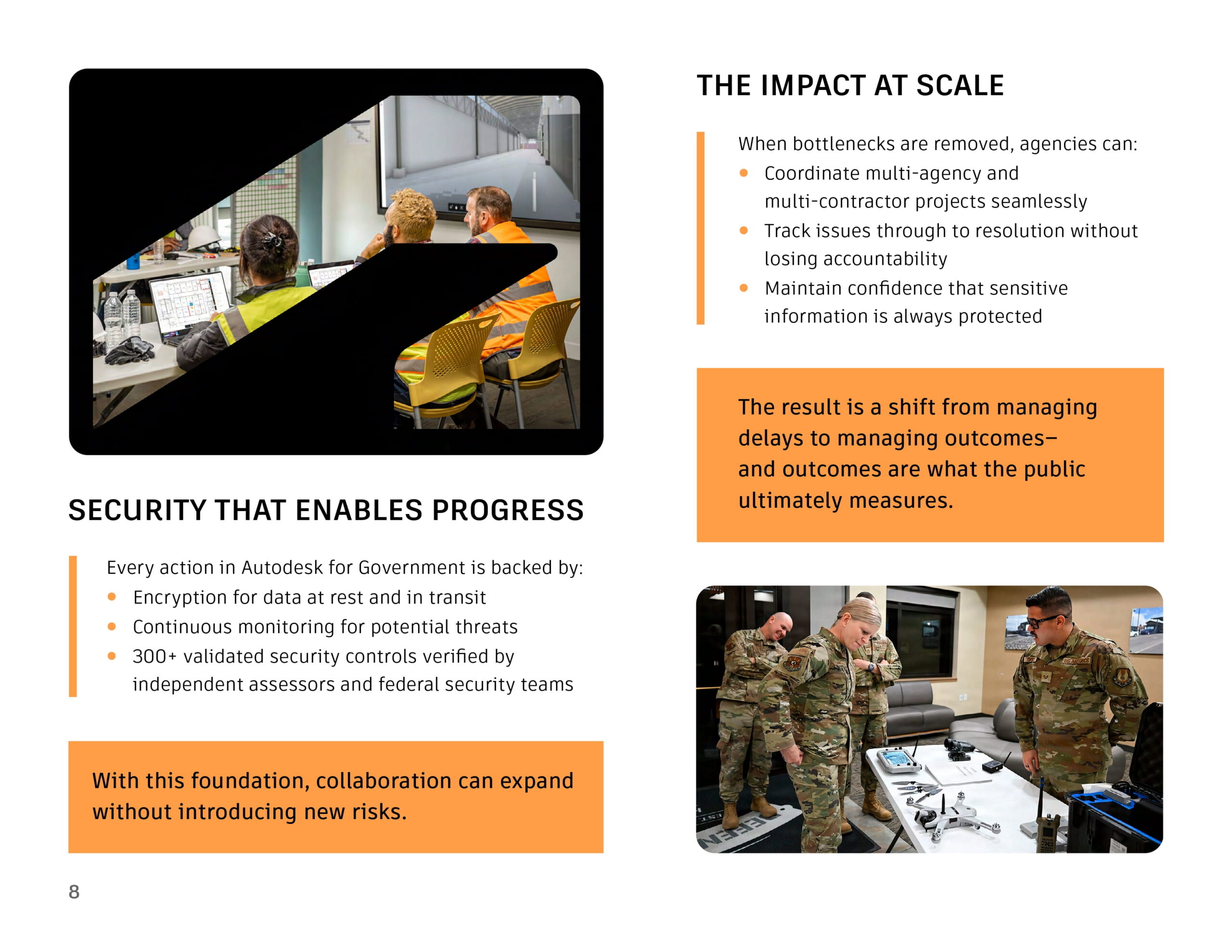
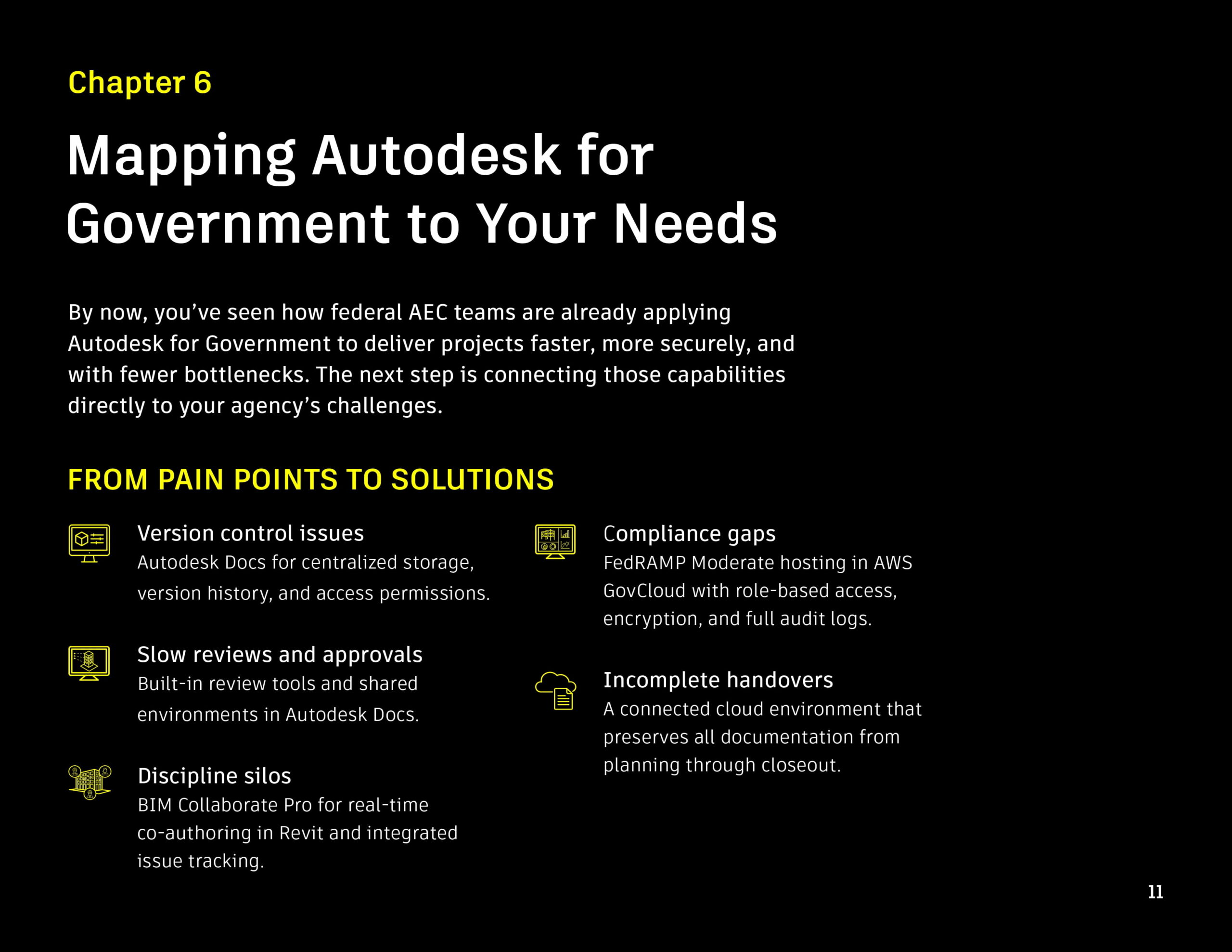
A direct pain-point-to-solution map (version control, approvals, compliance gaps, discipline silos) that reads instantly.
Purpose: Helps buyers self-identify and quickly see “this is our situation,” which accelerates internal alignment and next-step intent.
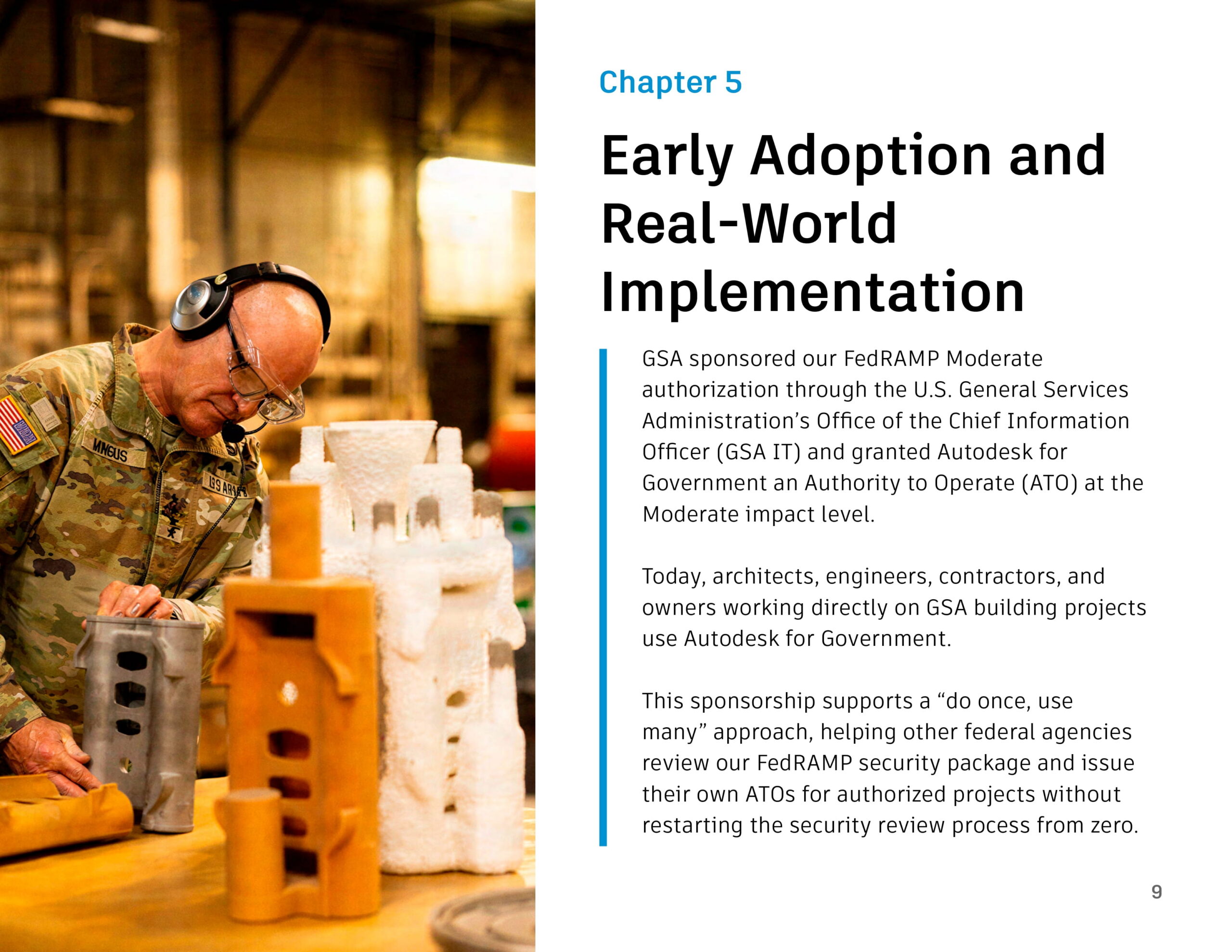
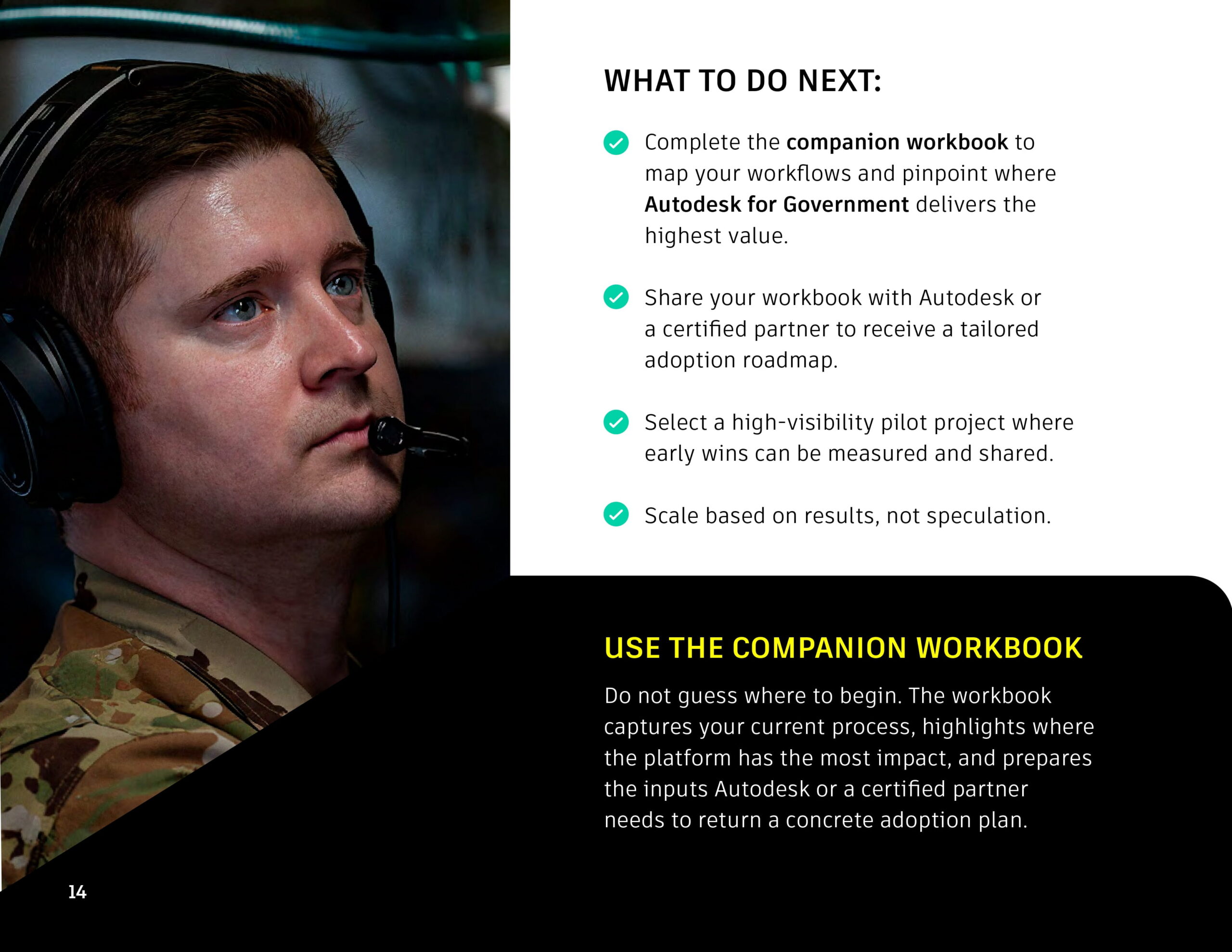
A clear activation page that tells the reader exactly how to turn interest into a plan using the workbook.
Purpose: Converts passive reading into action and sets up the workbook as the natural next step, not an optional extra.
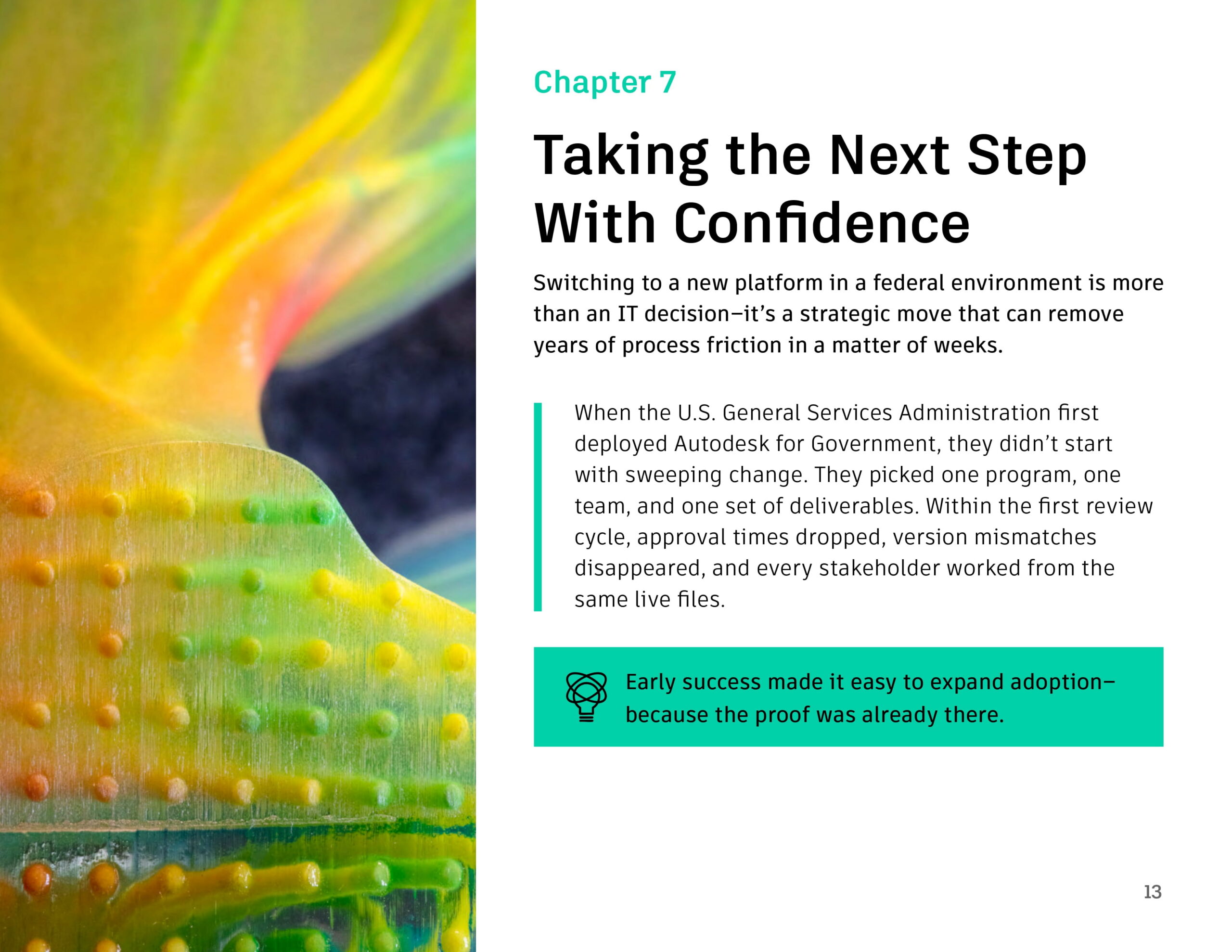
A confident wrap that reinforces outcomes and keeps the recommendation simple and non-technical.
Purpose: Gives teams a clean “send-this-to-leadership” closing and pushes the reader toward the workbook-driven adoption plan.
The hero cover that frames the topic and audience immediately.
Purpose: Establishes credibility fast and makes the asset feel “official” and executive-ready.
“The cost of disconnection” page that names the operational pain in plain language.
Purpose: Creates instant buyer recognition and gives sales an easy, non-technical problem statement.
Moves the story from compliance to execution, showing what teams can do once the approval barrier is cleared.
Purpose: Connects the solution to day-to-day operational wins leaders care about: fewer delays, fewer surprises, and tighter coordination.
A clear “what changes when friction is removed” outcomes page (faster reviews, fewer handoffs, less rework).
Purpose: Translates features into operational outcomes people can repeat internally and rally around.
A direct pain-point-to-solution map (version control, approvals, compliance gaps, discipline silos) that reads instantly.
Purpose: Helps buyers self-identify and quickly see “this is our situation,” which accelerates internal alignment and next-step intent.
A clear activation page that tells the reader exactly how to turn interest into a plan using the workbook.
Purpose: Converts passive reading into action and sets up the workbook as the natural next step, not an optional extra.
A confident wrap that reinforces outcomes and keeps the recommendation simple and non-technical.
Purpose: Gives teams a clean “send-this-to-leadership” closing and pushes the reader toward the workbook-driven adoption plan.
Positions the workbook as the practical companion to the eBook, built for guided inputs and real decisions.
Purpose: Sets the expectation that this is an action tool, not “another PDF.”
A simple operating model for using the workbook in workshops, internal alignment sessions, or partner-led discovery.
Purpose: Reduces friction and makes it easy for teams to start immediately without overthinking the process.
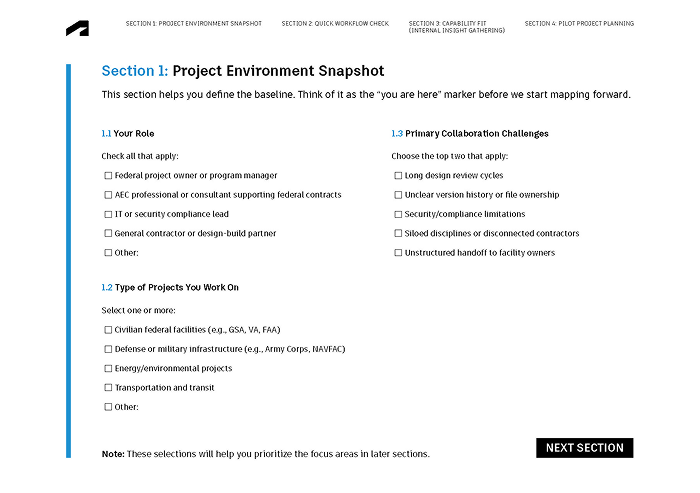
Captures the current state quickly: role, collaboration challenges, project types, and baseline context.
Purpose: Creates a shared starting point so teams stop debating assumptions and start mapping a real plan.
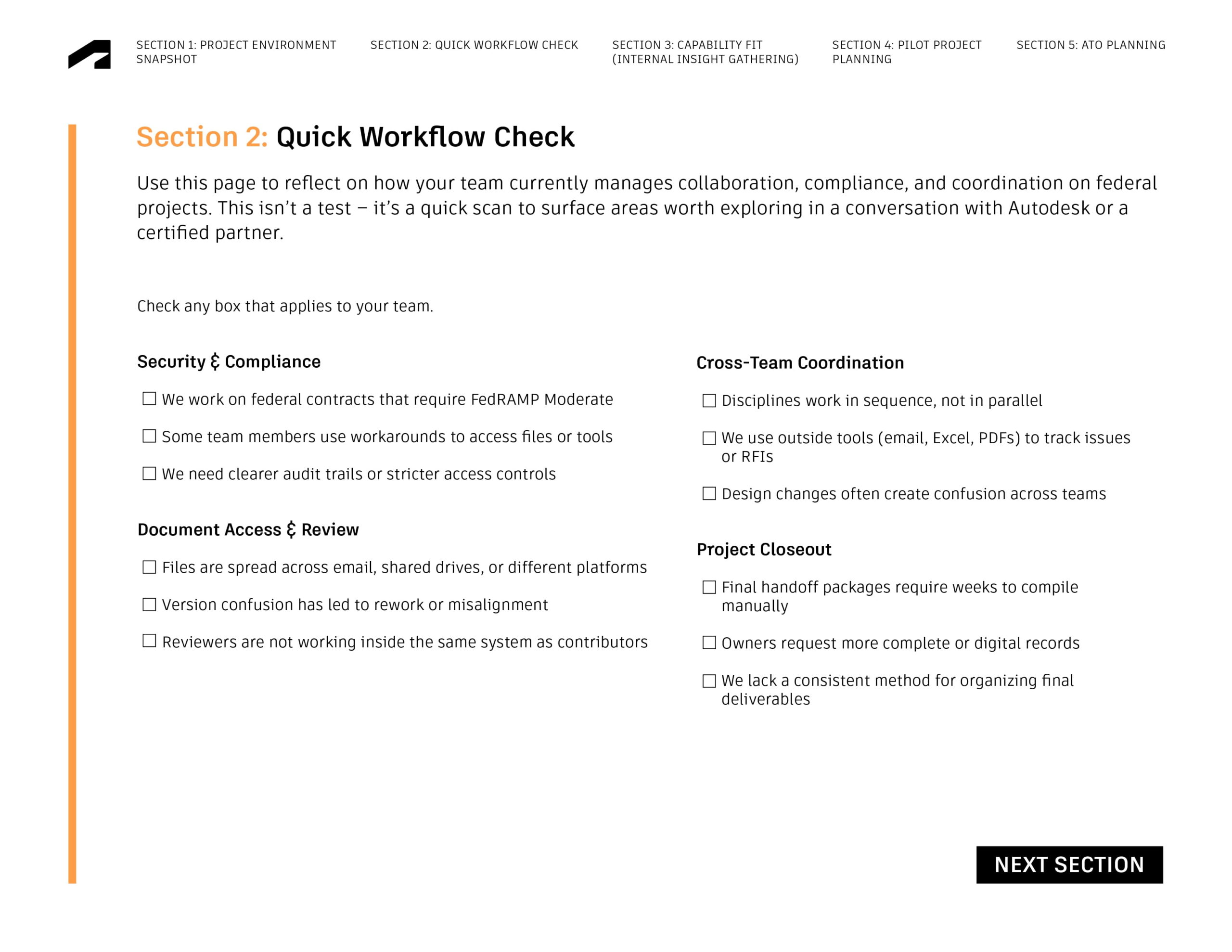
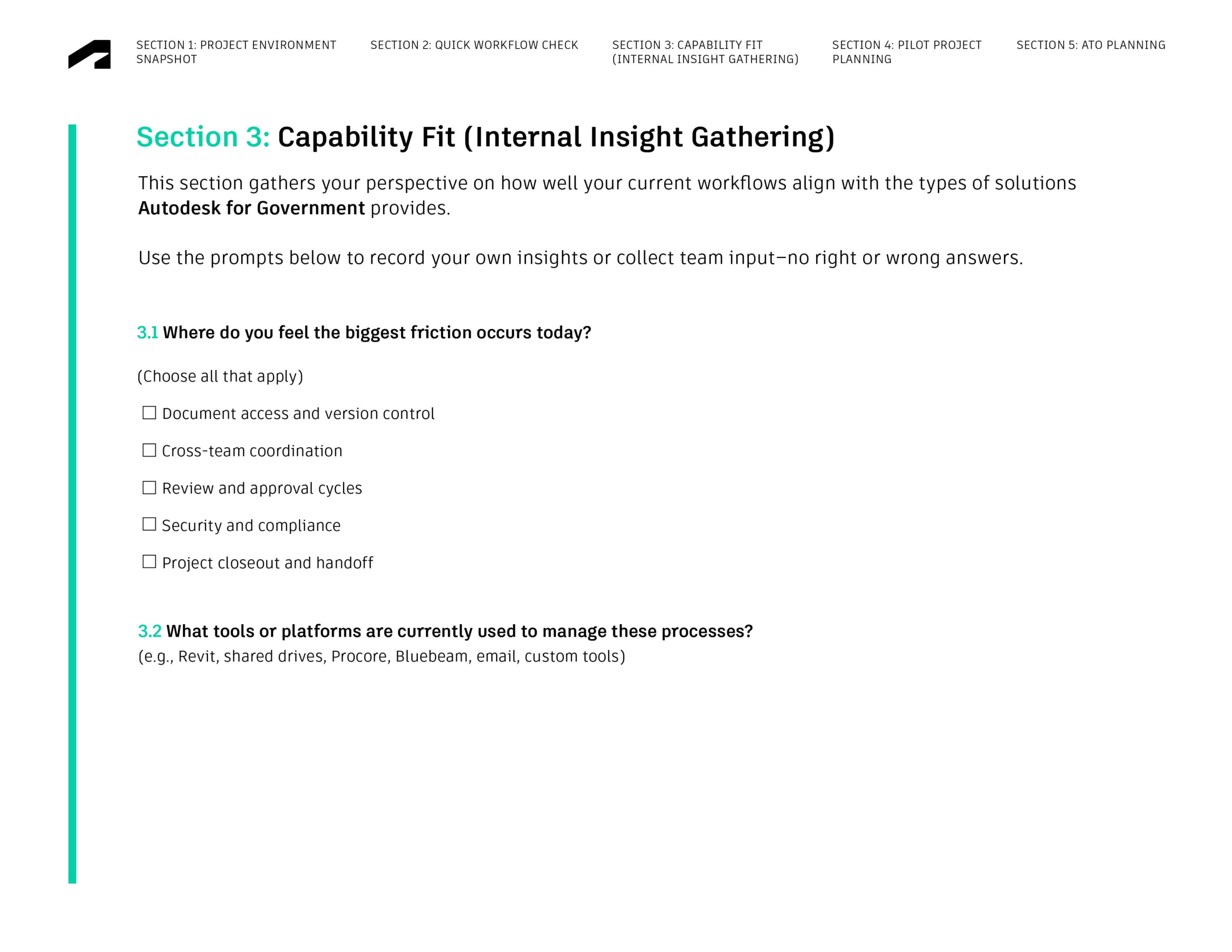
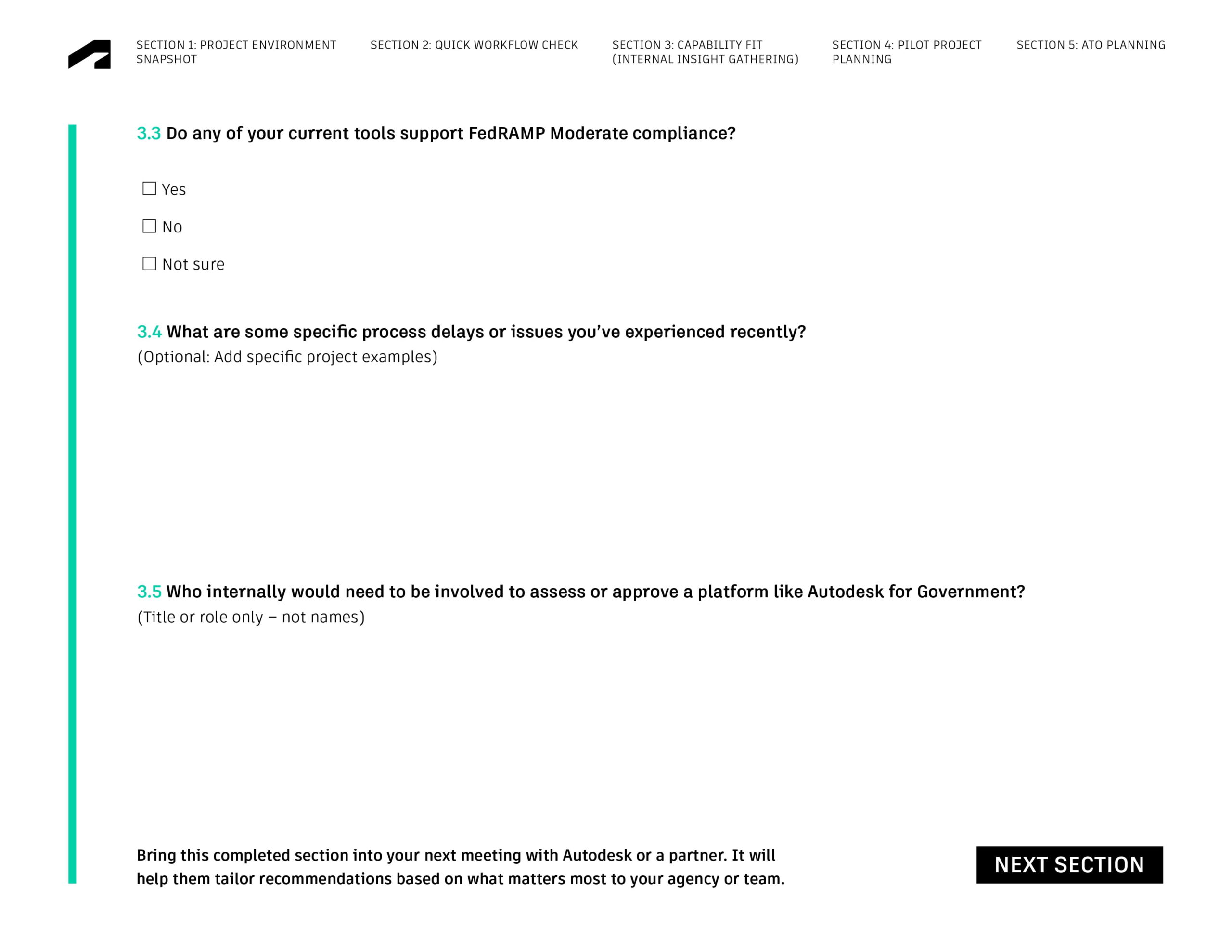
Guides teams through structured reflection on where workflows break, what “good” looks like, and what matters most.
Purpose: Turns vague interest into decision-grade clarity that supports adoption, prioritization, and stakeholder buy-in.
A practical planning page that helps teams choose a pilot with the right visibility, scope, and measurable outcomes.
Purpose: Drives momentum by translating the solution into a controlled first win leaders can support.
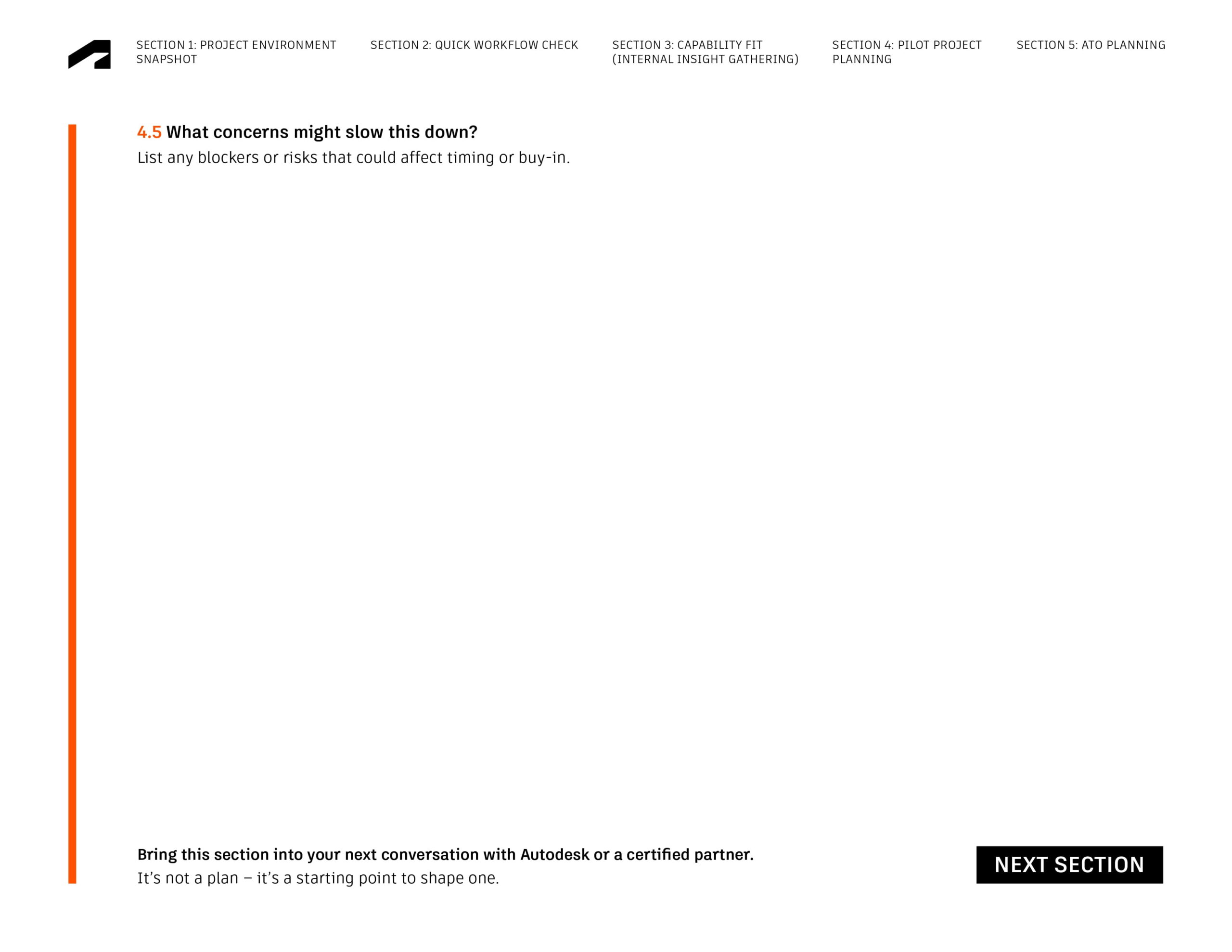
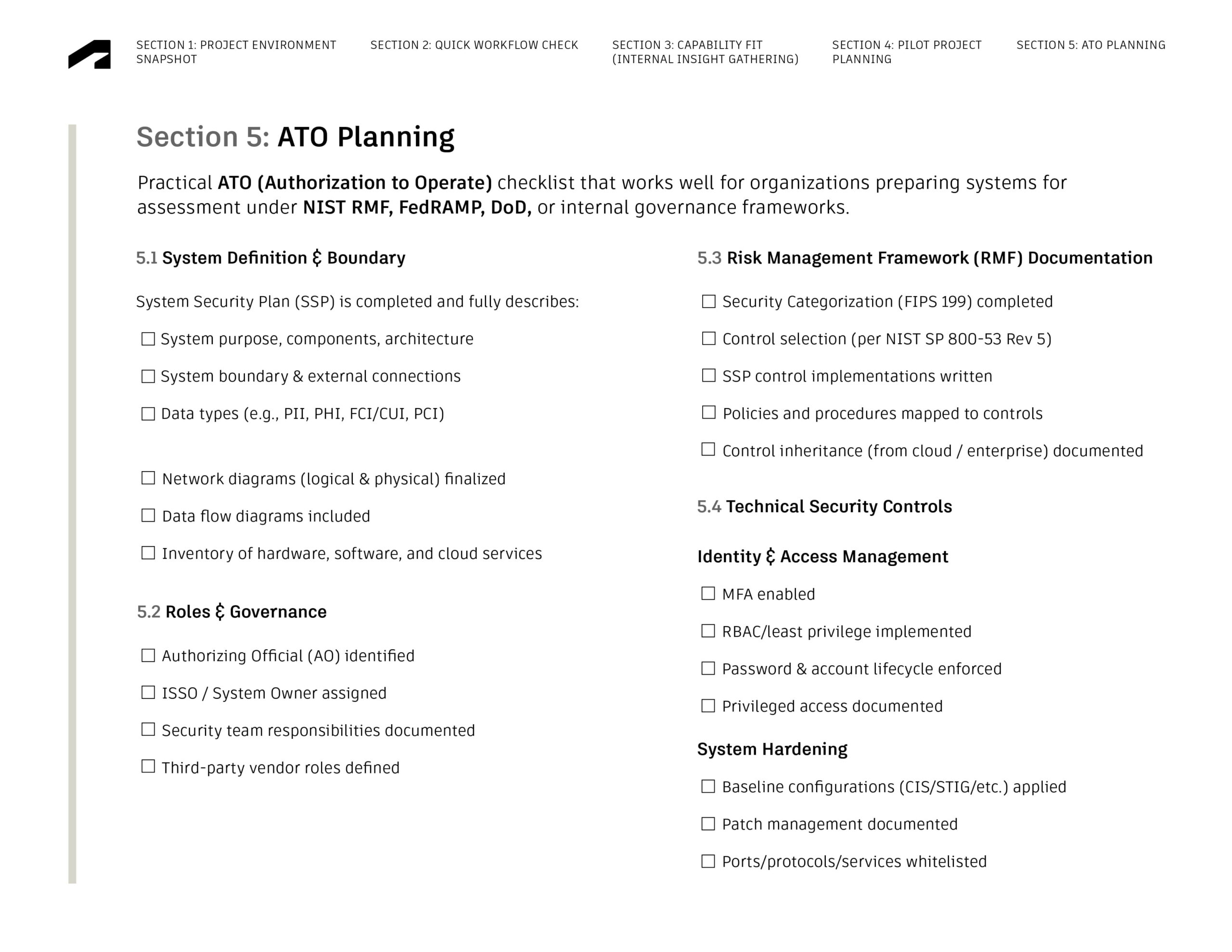
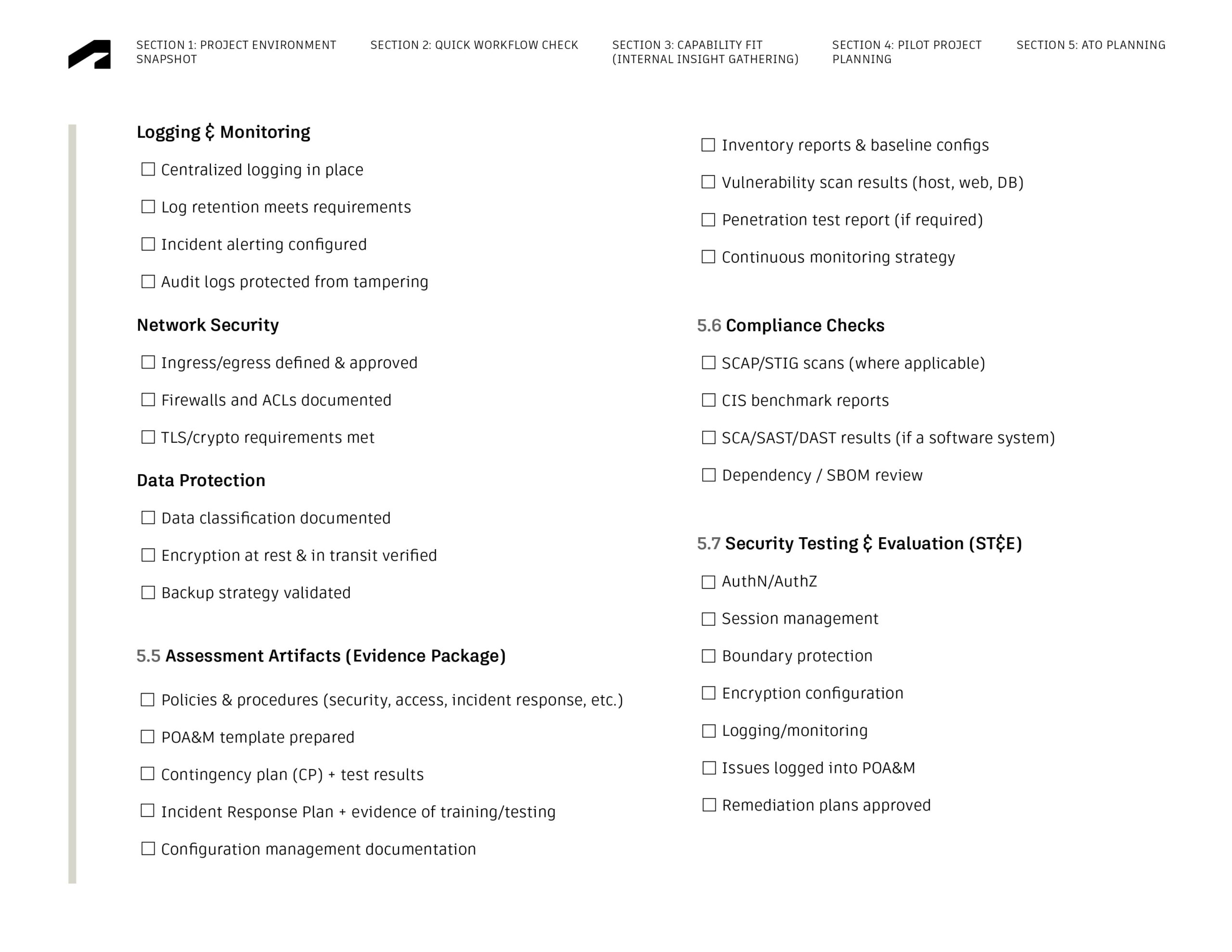
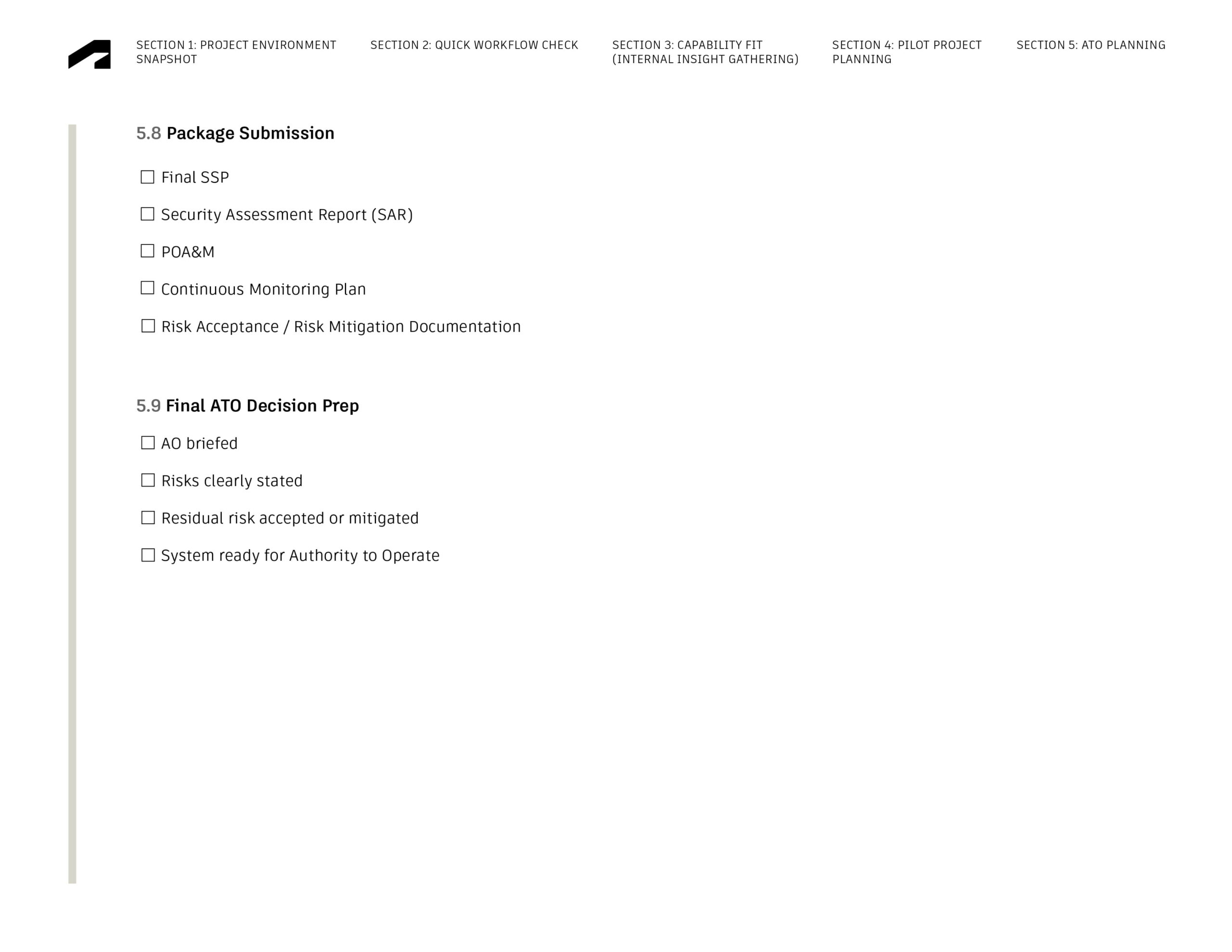
Consolidates outputs and points to the immediate actions teams should take after completing the workbook.
Purpose: Prevents the “great doc, now what?” problem and gives sellers a clean handoff moment to move the deal forward.
Positions the workbook as the practical companion to the eBook, built for guided inputs and real decisions.
Purpose: Sets the expectation that this is an action tool, not “another PDF.”
Positions the workbook as the practical companion to the eBook, built for guided inputs and real decisions.
Purpose: Sets the expectation that this is an action tool, not “another PDF.”
Positions the workbook as the practical companion to the eBook, built for guided inputs and real decisions.
Purpose: Sets the expectation that this is an action tool, not “another PDF.”
Positions the workbook as the practical companion to the eBook, built for guided inputs and real decisions.
Purpose: Sets the expectation that this is an action tool, not “another PDF.”
Positions the workbook as the practical companion to the eBook, built for guided inputs and real decisions.
Purpose: Sets the expectation that this is an action tool, not “another PDF.”
Positions the workbook as the practical companion to the eBook, built for guided inputs and real decisions.
Purpose: Sets the expectation that this is an action tool, not “another PDF.”
Positions the workbook as the practical companion to the eBook, built for guided inputs and real decisions.
Purpose: Sets the expectation that this is an action tool, not “another PDF.”
Built to look like a product. Built to drive action.
Most partner content gets skimmed once and forgotten. The Channel Kit is designed to be used: clean, modular pages for awareness, plus a workbook that guides prospects and partners to decisions, priorities, and next steps. It works online, at events, in workshops, and it can be printed when you need it.
Every Channel Kit is customized to the offer and audience, but the structure stays consistent: clear narrative in the eBook, then a guided workbook that moves people from “interesting” to “let’s do this.” Here’s how most kits break down.
The market reality
A quick, credible snapshot of what’s changing in the market and why it matters now. Gives your team the context to lead with confidence, not hype.
The approach
Explains the “how” in plain language. Clear enough for partners and sellers to repeat, strong enough for technical and business stakeholders.
The problem you fix
Frames the real operational and business pain behind the topic. Helps prospects self-identify without feeling “pitched.”
Use cases that land
The scenarios buyers actually care about. Shows where this fits, what success looks like, and how to start the conversation fast.
Proof + differentiation
Your value, made obvious. Includes the comparisons, proof points, and positioning that help teams answer “why you” without rambling.
Next steps + activation
What to do next, clearly. Simple paths for workshops, assessments, follow-ups, and partner activation so momentum doesn’t die after the download.
The workbook (guided inputs)
The action layer. A guided set of prompts, checklists, and inputs that turns interest into specifics you can follow up on. Digital-first, printable when needed.
Not another asset. A campaign engine.
Use the Channel Kit as the core offer in outbound, ABM, partner enablement, and event follow-up. It gives marketing something people actually want, and it gives sales a structured way to convert interest into a working session, an assessment, or a next-step commitment.